Walrus Oil Polymerized Linseed Oil 16oz
No Reviews Yet |
Write a Review

$24.99 ea.
How Do You Want It?
Pickup In-Store
Click to choose a location
Ship to My Door
Arrives Sun, Oct 11 - Thu, Oct 15
Polymerized Linseed Oil is a durable, VOC-free wood finish that protects wood’s surfaces from scratches while enhancing the natural beauty of the wood. Its fast-curing, polymerized formula creates a hard, long-lasting finish that locks in and seals wood pores. With no artificial gloss, it adds a warm, natural sheen that highlights the wood's true character. Its versatility, ease of application, and eco-friendly nature make it a preferred choice among woodworkers and craftsmen for sealing and preserving wooden surfaces.
Free from dryers, metals, or chemicals, our Linseed Oil is 100% natural and Linseed Oil is FDA-approved for food-contact surfaces.
Pro Tip:
Since our Linseed Oil is polymerized with heat, and not chemicals, it has a natural thick and somewhat sticky consistency. You can mix it with a natural solvent (25%), Tung Oil or Furniture Finish, to thin the product. Buff off residue with non-woven pads after 12 - 24 hrs to remove all excess finish. Buffing may need to be repeated once a day for a few days depending on the environment and amount of finish used.
| Brand | Walrus |
| Size | 16oz |
| Finish Type | polymerizing |
| Solvent Clean Up | Paint Thinner or Mineral Spirits |
| Ways to Apply | Prep Surface by sanding at 220 grit. Apply a thin layer of oil to entire surface with a nonwoven pad or 220 grit sandpaper. Work oil into the wood until it no longer feels wet. Allow 12-24 hours to cure, then buff off excess. When building coats, lightly |
| Dry Time, Recoat | 12h-24h |
| Recommended Coats | As many as desired |
Prep Surface by sanding at 220 grit. Apply a thin layer of oil to entire surface with a nonwoven pad or 220 grit sandpaper. Work oil into the wood until it no longer feels wet. Allow 12-24 hours to cure, then buff off excess. When building coats, lightly
No Reviews Yet! Write a Review
The Joys of Building with Great Woods
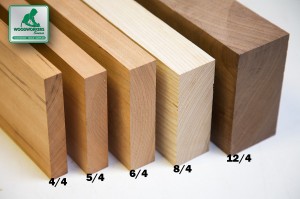
What's 4/4, 8/4, 12/4, etc.?
Understanding hardwood lumber starts right here with these wacky fractions.
Understanding hardwood lumber starts right here with these wacky fractions.

Lumber Grades Explained
If you're expecting perfect clear lumber 100% of the time, you're in for a surprise. Here's a summary of the hardwood lumber grades and what to expect from them.
If you're expecting perfect clear lumber 100% of the time, you're in for a surprise. Here's a summary of the hardwood lumber grades and what to expect from them.
3 Steps To Figure Out How Much Lumber You Need
Board feet isn't your everyday kind of math, but these three simple steps make it easy to figure out your project.
Board feet isn't your everyday kind of math, but these three simple steps make it easy to figure out your project.

Project Planner Worksheet
Here's a handy (and free) Excel worksheet that helps you estimate the lumber needs for your project.
Here's a handy (and free) Excel worksheet that helps you estimate the lumber needs for your project.

Understand Wood Toxicity & What You Should Do About It
Are woods poisonous? Hazardous to use in cutting boards or baby cribs? Find out here.
Are woods poisonous? Hazardous to use in cutting boards or baby cribs? Find out here.

Wood Moves - Here's What You Need to Know
Wood is like a sponge, and it's always in a state of absorbing or releasing moisture to stay equalized with its environment. The problem with that is it also swells and shrinks. Here's what you need to know to protect your project.
Wood is like a sponge, and it's always in a state of absorbing or releasing moisture to stay equalized with its environment. The problem with that is it also swells and shrinks. Here's what you need to know to protect your project.